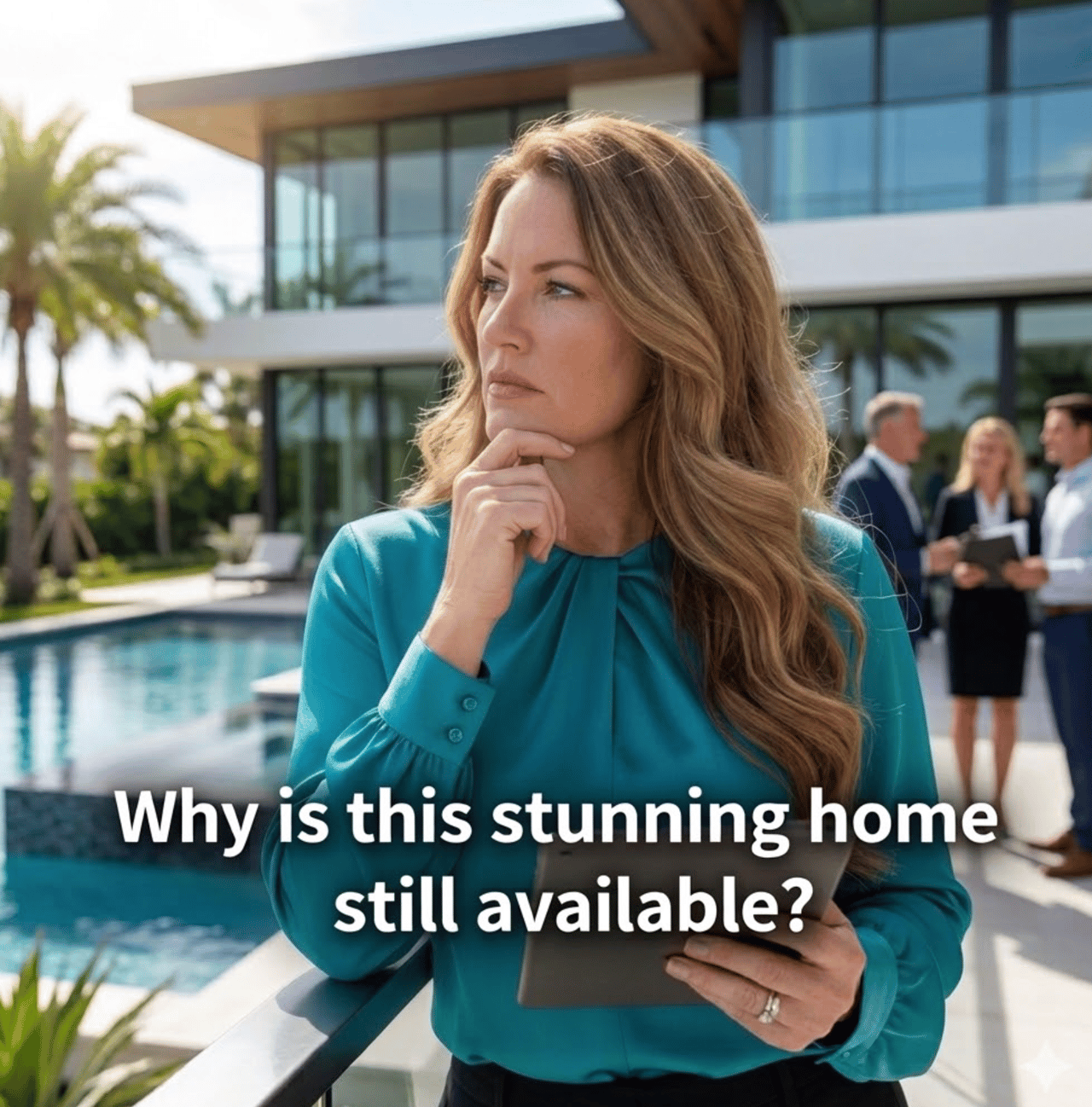
“We Can Always Start High and Come Down” — The Most Expensive Mistake Home Sellers Make
As a listing agent who has sold hundreds of homes over the years, one of the most common phrases I hear from home sellers is this:
“We can always start high and come down in price if we need to.”
On the surface, that logic sounds reasonable. After all, why not test the market? The problem is that the real estate market doesn’t work the way many people think it does—and starting too high often costs sellers far more than they realize.
The first days on the market matter most.
When a home is newly listed, it attracts the most attention it will ever receive. Buyers, agents, and online platforms all flag it as “new,” which creates urgency and excitement. If the price is too high during this critical window, serious buyers don’t schedule showings—they scroll right past it. Once that moment is gone, it’s gone for good.
Overpricing actually helps other homes sell—not yours.
When a home is priced above market value, buyers use it as a comparison. They walk through, say “Nice, but overpriced,” and then make an offer on a better-priced home down the street. In essence, an overpriced listing becomes a marketing tool for competing properties.
Price reductions send the wrong message.
Multiple price reductions often raise red flags. Buyers begin to wonder: What’s wrong with the house? Why hasn’t it sold? How low will they go? Instead of creating leverage, overpricing followed by reductions weakens your negotiating position and invites low offers.
Time on market can cost you real money.
Homes that sit longer tend to sell for less—not more. The longer a property lingers, the more “stale” it feels, even if there’s nothing wrong with it. Sellers often end up accepting a price lower than what the home could have sold for if it had been priced correctly from the start.
The market always speaks.
Pricing isn’t about what a seller hopes to get or what a neighbor sold for in a different market. It’s about current buyer behavior, active competition, and demand right now. A strategic price—backed by data and experience—creates interest, showings, and often multiple offers.
The goal isn’t to “leave money on the table.”
The goal is to position your home so buyers compete for it. When that happens, the market does the work for you.
If you’re thinking about selling and want an honest, strategic conversation about pricing—one rooted in experience, not guesswork—let’s talk. The right price from day one can make all the difference.